Fireworks: Tips for a safe 4th of July | PEMCO
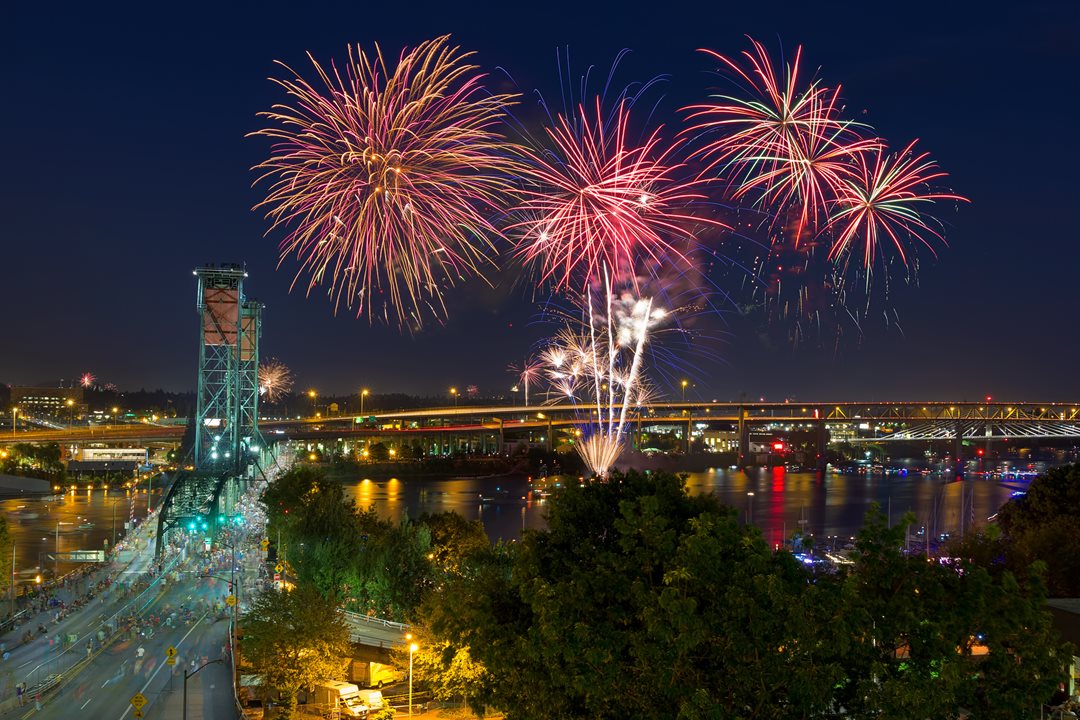 If you’ve been a PEMCO customer for any number of years, chances are you’ve already heard our advice about fireworks (spoiler alert: it hasn’t changed). Our best advice? Get your “oohs” and “aahs” at a professional show.
That's not us being cautious for the sake of it. Recent fire seasons across the PNW have shown how quickly things can turn when conditions are hot, dry, and windy—and how much damage a single spark can do to a neighborhood. Backyard fireworks only raise that risk.
According to the U.S. Consumer Product Safety Commission, fireworks sent an estimated 14,700 people to the emergency room in 2024—a 52% jump from the year before—and were linked to 11 deaths. July 4 is traditionally one of the busiest days of the year for ERs and firefighters, mostly due to accidents involving consumer fireworks. They can cause serious injury. They can start fires. They're not a toy.
However, many people across the PNW still choose to participate in some form of fireworks activity at home as part of their holiday celebration.
If that’s you (or your neighbors), here are 12 safety tips worth keeping in mind.
-
Make sure fireworks are legal in your area. Many communities ban fireworks, and among those that still allow them, most restrict use to July 4 only. Check your city or county's website for the laws and potential fines where you live.
-
Choose a spot away from homes and wooded areas. Even though you're lighting fireworks legally, you could be held liable for damage if someone gets hurt, property gets damaged, or you start a fire.
-
Light and run. Never light more than one firework at a time, and once the fuse catches, back away quickly. Always light on a smooth, stable surface. If the ground's rough, lay down a large scrap of plywood as your launch pad.
-
Keep a hose and bucket nearby. Quick action can keep a small fire from spreading. If conditions are so dry that a fire sparks easily, that's your sign to call it a night. No firework is worth it.
-
Wear eye protection and never lean over to check a dud or try to relight it. Douse it with water and walk away.
-
Don't allow kids to handle fireworks. Sparklers burn at about 2,000°F—hot enough to melt some metals—and were responsible for an estimated 1,700 ER visits in 2024. A dropped sparkler can cause a serious burn in an instant.
More interested in protecting your home from errant fireworks than lighting them? These tips can help prevent fire risk and home or property damage.
-
Soak your landscape before dark. Run the sprinklers on your lawn, shrubs, roof, and decks. Wet surfaces are much harder to ignite.
-
Clear your gutters of dry leaves and debris. A smoldering ember landing in a clogged gutter can quietly become a much bigger problem.
-
Pull vehicles into the garage. Hot debris landing on paint or near a fuel line isn't a risk worth taking.
-
Cover firewood stacks with a fire-resistant tarp. A still-smoldering firework landing on a woodpile has plenty of fuel to work with. Bring upholstered patio furniture inside or cover it with a fire-resistant tarp. Fabric ignites easily and is hard to extinguish once it catches.
-
Secure your pets and make sure they're microchipped. Terrified animals bolt. A panicked dog can slip a collar or clear a fence faster than you'd expect. The Humane Society offers good guidance on making the Fourth less stressful for nervous pets.
Remember, PEMCO's recommendation is—and always will be—to leave the fireworks up to the professionals. We've seen what fire can do in our region, and we'd rather see you at a neighborhood show than dealing with the aftermath of one gone wrong. But if you or your neighbors choose to light them yourself, keep these tips in mind to help reduce the risk—and have a safe, happy Independence Day.
Local team. Local coverage. Get a home quote today.
Share on social media