Motorcycle safety tips: 5 things riders wish drivers knew
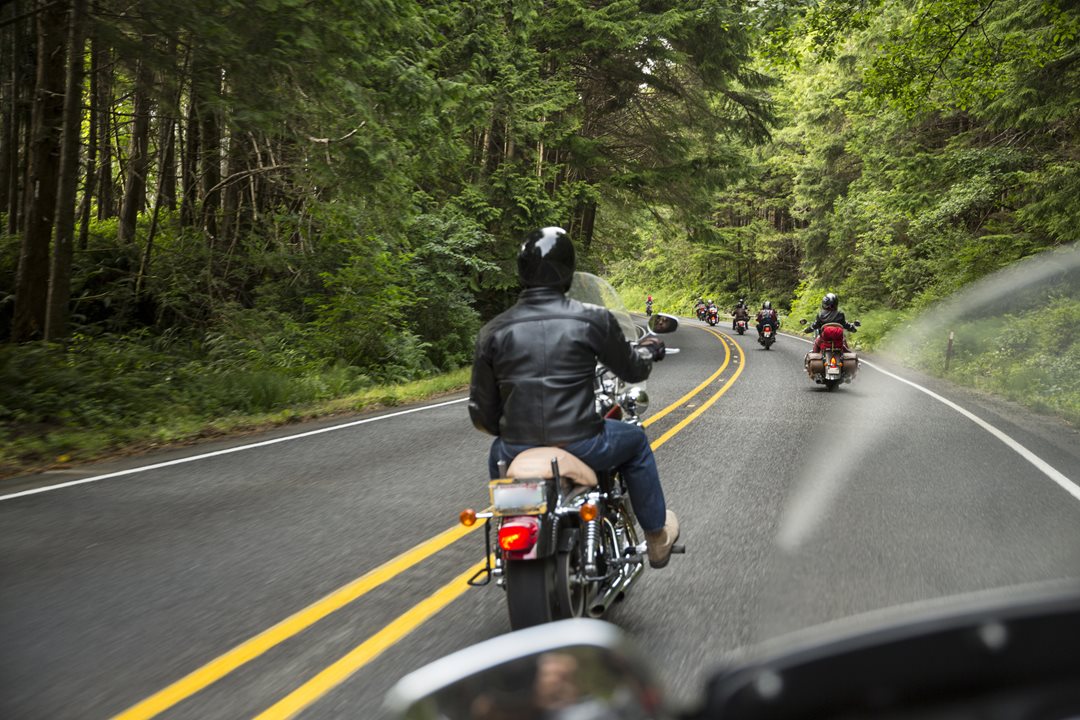
For motorcyclists across the Northwest this is one of the best times of the year.
Long summer days and our many scenic highways make July a favorite month for getting out on two wheels. But with more motorcycles on the road, it's also a good time for everyone—riders and drivers alike—to be a little more aware of one another.
July 10 is National Motorcycle Day, which serves as a reminder that safety on the road is a shared responsibility. Small adjustments in how we drive, follow, pass, and look for motorcycles can help create safer roads for everyone.
Here's one reason that matters: Although motorcycles make up only 3% of registered vehicles on the nation's highways, they account for 15% of vehicle fatalities. According to the National Highway Traffic Safety Administration, motorcyclists are significantly more likely to suffer fatal injuries in a crash than occupants of passenger vehicles. Unlike people in cars, riders don't have the same level of protection in a collision, making awareness, patience, and defensive driving especially important.
Motorcycles follow the same rules of the road as other vehicles, but the riding experience is very different. Here are five things riders wish more drivers understood.
1. Expect unpredictability—and assume there's a reason.
When drivers see a motorcycle change position within a lane or quickly maneuver around something, it can look unpredictable. Often, though, the rider is responding to a hazard you can't easily see from inside your vehicle, such as gravel, cracked pavement, standing water, road debris, or a pothole.
Giving riders a little extra space can help them safely react to changing road conditions.
2. Check your blind spot twice.
Motorcycles are smaller than cars and can disappear from view more quickly than many drivers realize. Before changing lanes or merging, take an extra look over your shoulder—even if your mirrors appear clear.
That second look can save a life.
It's also worth remembering that lane splitting remains illegal in both Washington and Oregon.
3. Leave more following distance.
Motorcycles can slow down quickly without using the brakes -- by downshifting or easing off the throttle (aka gas) -- which can surprise drivers.
Giving riders at least three to four seconds of following distance provides more time to react and helps everyone maintain a safer buffer on the road. And under many Northwest driving conditions—from heavy rain to slick roads—extra space is a good idea no matter what you're driving. And rain can be especially hard for motorcyclists.
4. Don't assume a turn signal tells the whole story.
Many motorcycles don't automatically cancel their turn signals after a turn. As a result, riders may unintentionally leave a blinker on longer than intended.
If you see a motorcycle with a turn signal activated, look for additional clues—such as lane position, speed changes, or actual movement—before assuming where the rider is headed.
5. Give motorcycles plenty of room when passing.
Passing too closely can create wind turbulence that affects a motorcycle's balance and stability.
When passing a motorcycle, move over when possible and leave plenty of space before merging back into the lane. The more room you can provide, the more time both you and the rider have to react if conditions change unexpectedly. Motorcyclists on the highway are already battling "dirty air," the turbulent, disrupted airflow created by large vehicles which produces heavy, swirling air pockets that cause dangerous motorcycle instability.
What about scooters?
With scooters becoming increasingly common in Northwest communities, it’s important to give riders the space they need to operate safely.
Larger scooters should generally be treated much like motorcycles. For smaller e-scooters, follow local laws and give riders a comfortable buffer whenever possible. Regulations vary by city, so it's worth checking the rules where you live and ride.
Understanding motorcycle insurance coverage
If you ride in Washington or Oregon, motorcycle insurance is required by law. But carrying coverage isn't just about meeting a legal requirement—it's also about understanding the protection available if the unexpected happens.
Coverage options can vary based on factors such as your motorcycle, how often you ride, where you store it, and how you use it. Taking time to understand available coverages can help you make informed decisions and choose protection that fits your needs.
If you have questions about motorcycle insurance or want help understanding your options, PEMCO Insurance Agency's licensed insurance professionals can walk you through the available coverages and answer your questions along the way.
To learn more, call 1-800-MY-PEMCO (1-800-697-3626), email agency.sales@pemco.com, or connect with your local PEMCO agent.
Stay safe and enjoy the ride, Northwest.
Share on social media