Learn how to parallel park with confidence I PEMCO
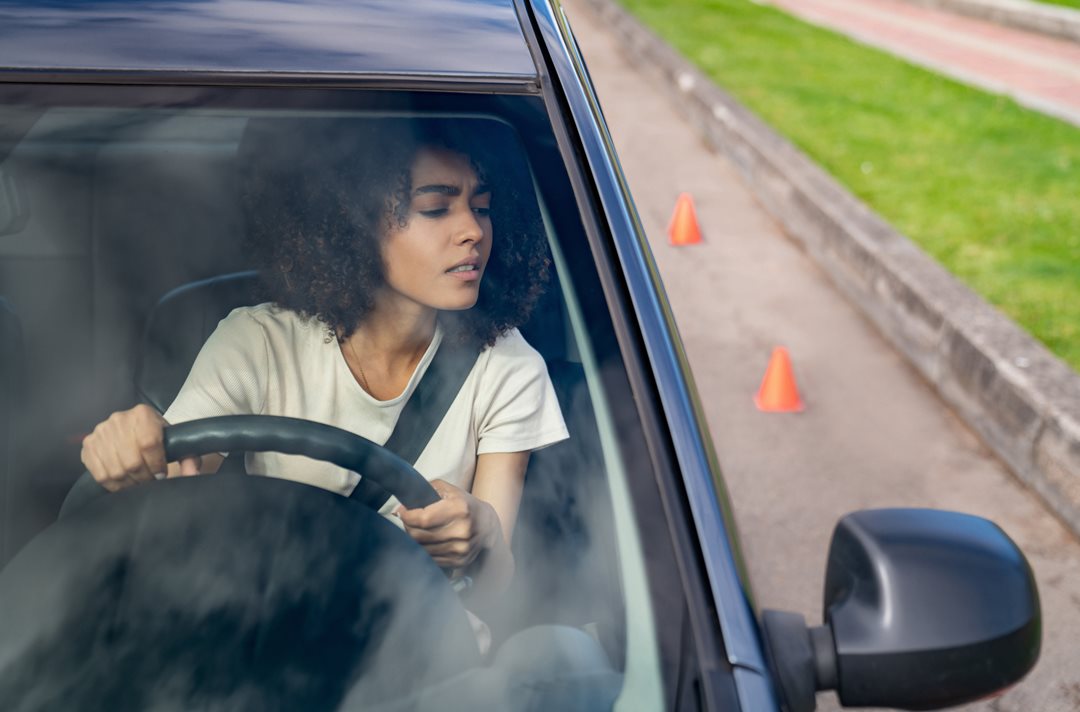 Newer driver assistance features can help make parking lot driving safer, especially when technologies like automatic emergency braking and rear emergency braking work together. But even with those tools, safe parking habits still matter. Whether you’re choosing a spot, backing out or learning how to parallel park, a few simple steps can help you feel more confident and lower your chances of a parking lot mishap.
Start with the basics: choose a safer spot, take your time pulling in, and use steady reference points when parallel parking. Here’s how to make each step feel a little easier.
Pick your parking spot carefully
Try to select a parking spot away from the main entrance to the building you’re visiting. That’s because the front of the lot is the most heavily traveled area, and more traffic means there’s a greater chance you could hit another vehicle, or another vehicle could hit you.
Parking farther away may also give you a better chance of finding a pull-through spot, which lets you drive forward when you leave instead of backing out. That can help reduce one of the most common parking lot risks: low-speed backing incidents.
Skip spots near cart returns, where a runaway cart could roll into your car. Also be cautious with end spots that aren’t protected by a barrier, since they may be more exposed to turning vehicles.
What’s the best way to park in a pull-in space?
Pull-in spaces are common, but they can still be tricky. New drivers who may still be learning to judge distance, while some experienced drivers may have a harder time turning because of back, neck, or other mobility limitations. Before you turn into the space, slow down and give yourself room to line up.
- Make sure the parking spot has enough room, especially for the size of the vehicle you're driving. If the parked cars beside it sit too close to the car lines, find another parking spot.
- Before pulling in, give yourself as much room as you safely can. Signal first, check for nearby cars and pedestrians, then begin your turn slowly so you can center the vehicle in the space.
- Check your mirrors and blind spots to make sure no cars or pedestrians are trying to pass you. Don't rely solely on your car's cameras and parking assist features (though they are certainly helpful!).
- If you drive a midsize car, turn your wheel one full turn to enter the spot when your driver- or passenger-side mirror is about even with the first line of the parking spot. You may have to adjust slightly (turning sooner or later) if you drive a longer or shorter car.
- Go very slowly. If your car has an automatic transmission, your foot should not be on the accelerator. Just use the brake and ease it up to move forward.
- Once you’re in the spot, straighten the wheel to fully center the car. Stop when your bumper is about one foot from the front of the parking stall and set the emergency brake before leaving the vehicle.
What’s the best way to park in a parallel space?
Parallel parking is arguably the most difficult maneuver on the driving test. Once licensed, many drivers rarely attempt it again. We know parallel parking can feel intimidating, especially in tight spaces, but it doesn't have to be.
With practice and the right reference points, parallel parking can become second nature. These tips walk you through each step, from finding an empty space to getting your vehicle parallel to the curb and evenly spaced between the cars in front of and behind you. Use your turn signal to indicate that you intend to parallel park. Look for an empty space with enough room for your car and check for traffic before you begin parking.
- Position your car three feet away from the parked vehicle you intend to park behind. Keep your car parallel to the other vehicle and maintain a safe distance as you prepare to begin reversing.
- Line up your passenger side mirror with that same car driver side mirror. You may have to adjust (moving slightly ahead or behind) if you drive a longer or shorter car.
- Check your mirrors and blind spots to make sure the lane is clear. Look behind and beside you for pedestrians, bicycles, and other cars. Put the car in reverse and turn the wheel one full turn to the right to begin reversing slowly.
- Continue reversing slowly until the license plate of the car in front appears centered in your passenger-side window. At this point, your vehicle should sit at roughly a 45-degree angle as you move into the parking space.
- Turn the steering wheel sharply to the left, then continue reversing slowly. As the rear wheels move toward the curb, watch your side mirror and the rear bumper of the car behind you to make sure you have enough space.
- If needed, pull forward slightly and make small adjustments to create equal space between your car and the vehicles in front and behind you. Your goal is to finish with your vehicle parallel to the curb and a safe distance from the front car's rear bumper and the vehicle behind you.
- Set the emergency brake before leaving the vehicle.
- Remember, today's parking assist features have come a long way, and some can do much of the work for you. Still, it's important not to rely on them alone. Keep using your mirrors, check your blind spots, and watch for pedestrians, bikes and other vehicles.
What’s the best way to back out of a parking space?
Whether you’re parked in a pull-in or parallel space, the keys to safely backing out are:
- Check your mirrors and backup camera. Don't forget to look over your shoulder.
- Always look in the direction you’re moving.
- Go slowly.
- Know when to cut your wheel (too soon and you’ll hit the car beside you; too late and you may not be able to get out).
What to do if you hit another vehicle
If you hit a parked car, stay calm. If you can find the owner, let them know what happened and exchange contact and insurance information. If you can’t locate the owner, leave a note under the wiper with your name, contact information, and a brief description of the damage, then review these steps for what to do after an accident.
Parking lot mishaps often happen at low speeds, but they can still be stressful, inconvenient and costly. Driver assistance features can help, but your best safety tools are still patience, awareness and a few steady parking habits: choose your spot carefully, check all around your vehicle and take your time backing out or pulling in. A little extra caution can go a long way toward helping keep you, your car and your neighbors safer. Drive safe out there, PNW.
Get your auto quote today!
Share on social media