Safety basics: Smoke and carbon monoxide alarms | PEMCO
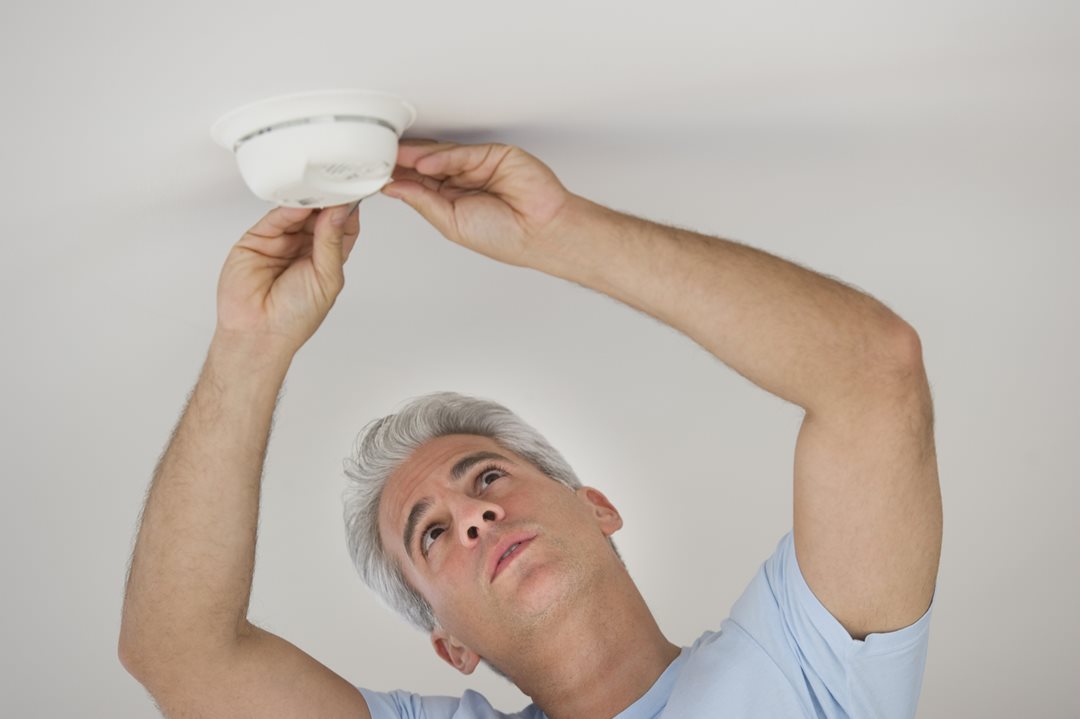 At PEMCO, we focus on prevention to help reduce risk before emergencies occur. Smoke alarms and carbon monoxide (CO) detectors are proven, low‑cost tools that play a critical role in home safety. However, many homes still don’t have enough alarms, have them installed in the wrong locations, or miss routine maintenance that keeps them working properly.
Whether you’re a longtime homeowner or moving into a new space, the following steps outline how to use smoke alarms and CO detectors effectively to help protect your household.
Five essential safety tips
1. Install alarms in the right places
For complete coverage, install smoke alarms on every level of your home, inside every bedroom, and outside each sleeping area. If your home has a basement, place an alarm at the bottom of the stairs leading up to the main level.
Carbon monoxide detectors should be installed on every level as well, especially near sleeping areas, CO is odorless and can be deadly while you sleep.
2. Place them for optimal performance
Install alarms on the ceiling whenever possible, ideally centered in the room.
If mounting on the wall, keep alarms within 12 inches of the ceiling and at least three feet from corners.
Avoid installing alarms near fans, vents, bathrooms, or areas with heavy airflow; moving air can prevent smoke or CO from reaching the sensor.
3. Maintain alarms regularly
Testing takes only a few seconds but can save lives.
- Test alarms monthly.
- Replace batteries every six months or immediately if you hear a low‑battery chirp.
- Replace smoke alarms every 10 years, and CO detectors according to manufacturer guidelines (usually 5–7 years).
4. Choose the right technology for your home
Your home may benefit from:
- Battery‑operated alarms
- 10‑year sealed battery alarms
- Hardwired alarms with battery backup
Combination smoke/CO alarms are also a smart, space‑saving option for many households. Select what fits your home layout and your family’s safety needs.
5. Prepare and practice an escape plan
Alarms save lives, but only when everyone knows what to do next.
Create a home fire escape plan that includes:
- Two exits from every room
- A designated outdoor meeting place
- Regular practice with everyone in the household
Review your plan annually and update it as your living situation changes.
Ten additional home fire prevention tips
Strengthen your prevention mindset with these everyday safety habits:
- Keep flammable items away from heat sources. Maintain safe distance around stoves, candles, and space heaters.
- Respect electrical safety. Don’t overload outlets; replace damaged cords; keep appliances dry.
- Smoke safely, preferably outside. Use stable ashtrays and fully extinguish smoking materials.
- Educate kids early. Keep matches, lighters, and fire‑starting tools out of reach.
- Use candles cautiously. Opt for flashlights during outages; if using candles, never leave them unattended.
- Maintain heating systems. Have HVAC units, chimneys, and vents professionally inspected once a year.
- Store flammable liquids properly. Use approved containers and keep them in cool, ventilated areas away from heat.
- Operate space heaters carefully. Keep a three‑foot safety zone and turn them off before leaving the room or sleeping.
- Check your clothes dryer. Clean the lint filter after each use and inspect vents regularly.
- Practice safe cooking habits. Stay in the kitchen when frying, grilling, or broiling; turn off burners if you step away.
A safer home starts with simple steps
Smoke alarms and carbon monoxide detectors may be small devices, but they play a major role in preventing tragedy. Paired with everyday fire‑safe habits, these tools help you stay ready, alert, and protected.
When you practice prevention, small choices today can make a big difference tomorrow. If you’d like help reviewing your home insurance coverage or learning more prevention tips, we’re always here to support you.
Share on social media