Moss on your roof? Here’s why spring maintenance matters | PEMCO
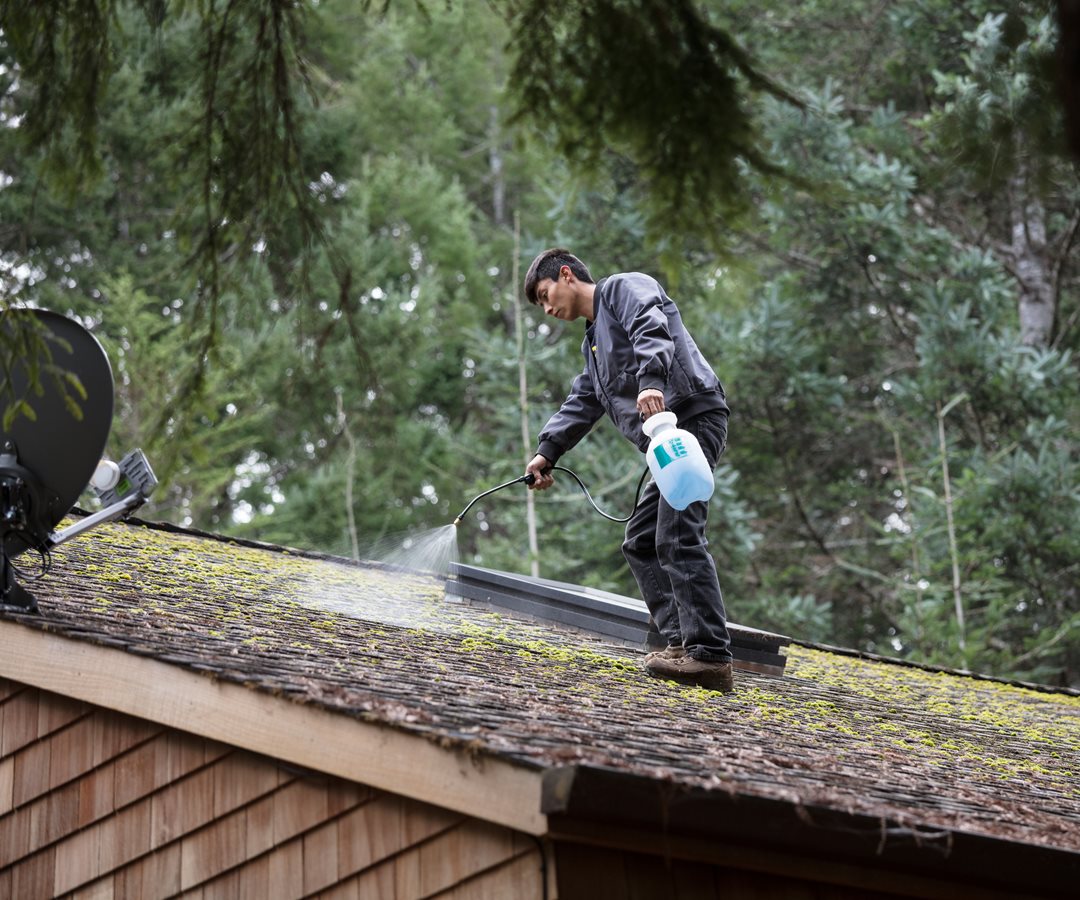 Spring arrives quietly in the Northwest. Slowly, mornings get brighter. And, almost without notice, moss begins to spread across rooftops that have spent months soaking up winter moisture.
At first, moss can look harmless, even quaint. But what starts as a soft green patch can slowly turn into a serious threat to your roof and the structure beneath it. Spring is the ideal time to step in, stop moss growth, and protect your home from preventable damage.
Why moss is more than a cosmetic problem
Moss thrives in damp, shaded conditions, which makes many Northwest roofs especially vulnerable. Once established, moss acts like a sponge, holding moisture directly against roofing materials long after the rain has stopped.
Over time, that constant moisture can:
- Accelerate rot in wood shakes
- Lift and separate asphalt shingles, allowing water to work its way underneath
- Strip away protective granules, reducing UV resistance and shortening roof life
- Increase the risk of leaks, especially during heavy spring rains
- Add weight to the roof, stressing older structures
- Create fire risk when dry moss becomes fuel for sparks from chimneys, fireworks or nearby wildfires
The longer moss is left alone, the more likely it is to cause damage that isn’t immediately visible but can be costly to repair.
Why spring is the time to intervene
By spring, moss has already benefited from months of moisture. Removing it now helps stop the damage cycle before another year of growth sets in.
Spring maintenance also gives you a chance to:
- Spot early signs of roof wear
- Address minor issues before water intrusion occurs
- Extend the lifespan of your roof through preventive care
From a prevention standpoint, this is one of those moments where a relatively small effort can help avoid major repairs later.
Do you need a professional?
If moss is thick, widespread, or deeply embedded, professional help is often the safest and most effective option. Roof maintenance professionals can assess whether moss can be treated or if it’s already caused damage that needs attention.
Professionals now use a low‑pressure “soft wash” method, combining gentle water flow with biodegradable cleaning solutions designed specifically for roofing materials. This approach removes moss while minimizing the risk of shingle damage that can come from high‑pressure washing.
Professional service is also the right choice if:
- Your roof is steep, high or slippery
- You’re unsure of the roof’s condition
- You’re uncomfortable working on a ladder
Falls are a common home‑maintenance injury. From a risk‑prevention perspective, staying off the roof can be the safest decision.
DIY moss removal: proceed with caution
For light moss growth, some homeowners choose to handle removal themselves. If you do, caution matters as much as technique.
Protect your roof. Avoid walking on shingles that are curled, cupped or brittle; they can crack easily and may already be compromised. Only work when the roof is completely dry.
Remove moss gently. Use a broom to loosen moss and always sweep downward, toward the edge of the roof. Sweeping upward can lift shingles and allow water intrusion.
Choose treatments wisely. Commercial moss treatments are formulated to kill moss without harming roofing materials. Follow directions closely, wear protective clothing and minimize runoff to protect landscaping and waterways. Environmentally friendly options are widely available and worth choosing.
Be careful with home remedies. Not all online advice is roof‑safe.
- Avoid laundry detergent. Its degreasers can break down roofing materials and cause leaks.
- Zinc or copper strips may discourage moss growth, but improper installation can lead to roof damage and leaks.
- Vinegar can be a safer alternative when applied carefully during dry weather, killing moss without harsh chemicals.
- Some homeowners' report success using baking soda as a treatment or preventative, though results vary.
Reducing future moss growth
Once moss is removed, prevention becomes the goal. While no roof is moss‑proof, you can slow regrowth by:
- Trimming overhanging branches to increase sunlight
- Keeping roof surfaces clear of debris that holds moisture
- Scheduling periodic inspections, especially after winter
These small steps can make a meaningful difference over time.
A prevention mindset
Spring roof care isn’t about perfection; it’s about protection. Addressing moss early helps preserve your roof, reduces the risk of leaks and structural damage, and lowers the chance of costly repairs down the road.
Share on social media