How to test smoke detectors (and how often) | PEMCO
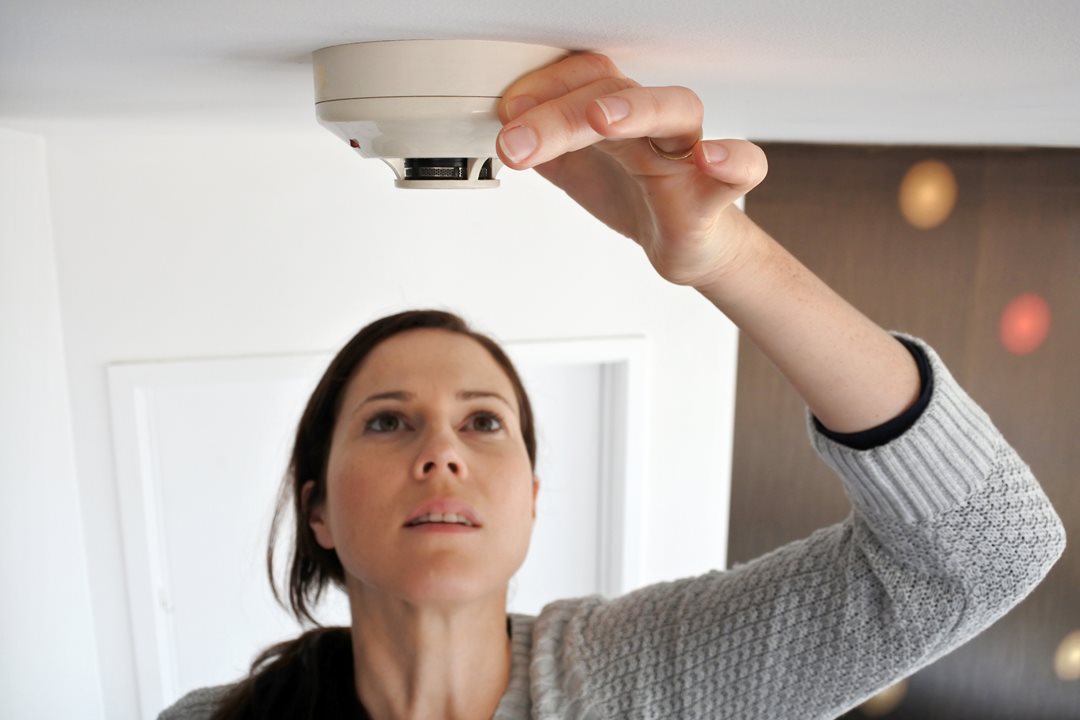 Working smoke detectors cut the risk of dying in a home fire by 60%, according to the National Fire Protection Association. But a third of U.S. households, however, say they never test their smoke alarms.
Testing takes less than a minute per unit, and it helps confirm that the battery, the electronics, and the alarm horn all function. In Washington and Oregon, where wildfire season can increase fire risk, that early warning system matters year-round.
Here’s how to test smoke detectors using the test button, aerosol spray, and electronic methods, plus how often to check each unit so your home is ready.
Why test smoke detectors regularly
Roughly three out of five home fire deaths occur in homes with no smoke alarms, or no working smoke alarms, according to the NFPA. If a detector has a dead battery or failed sensor, it may not alert you when you need it. Monthly testing helps catch those problems early.
Step by step: how to test your smoke detectors with the test button
Before you start, let everyone in your household know you’re testing the alarms. Smoke detectors are loud by design, so a quick heads-up helps avoid surprises. If your smoke alarms are connected to a monitored security system, notify the monitoring company, so a test does not trigger a dispatch.
Once everyone is aware and any monitoring company has been notified, use the test button on each smoke detector. Press and hold the button for three to five seconds. You should hear a loud, steady alarm. If the sound is weak or inconsistent, follow the steps below before assuming the unit is working.
Test button verification
Make a note of any detector that sounds weak or fails to activate. Replace the battery and retest. If the alarm still does not make a loud, clear sound, replace the entire unit. Keep a written or digital log of test results and replacement dates.
How to test interconnected alarms and fire alarm systems
To test interconnected smoke alarms, press and hold the test button on one unit for five seconds. Confirm that every linked alarm sounds.
If only one alarm responds, test each alarm individually. If the linked alarms still do not sound together, contact a licensed electrician.
Troubleshooting false alarms and common smoke detector issues
Dust, cooking steam, and humidity can trigger false alarms. Never disable a smoke detector because of nuisance alarms. Instead, clean the unit, check its placement, and follow the manufacturer's recommendations.
If a detector near a kitchen or bathroom triggers frequent false alarms, relocate it at least 10 feet from the area or install a photoelectric model. Replace detectors that have reached the manufacturer's stated lifespan, typically 10 years. For persistent faults in hardwired detectors, contact a licensed electrician.
Smoke detectors and wildfire smoke in the Pacific Northwest
Wildfire smoke can affect communities across the Pacific Northwest, even when a fire burns miles away. Smoke can enter homes through open windows, doors, and ventilation systems, making reliable smoke alarms an important part of household fire safety. Test your detectors monthly and never remove or disable a detector because of nuisance alarms.
When to call a professional for smoke alarm or fire alarm testing
If a hardwired detector keeps failing after you replace the battery or test it again, contact a licensed electrician. Don’t attempt wiring repairs yourself.
Commercial fire alarm systems need professional testing to stay compliant with NFPA 72 and local fire codes. Certified fire protection technicians can perform sensitivity testing, verify control panel connections, and document results for inspections. Annual professional testing is recommended for multi-unit residential buildings and workplaces with monitored fire alarm systems.
Test your smoke detectors regularly
Build smoke detector testing into your household routine. Test every detector with the test button once a month and check for dust, discoloration, or visible damage. Replace batteries when they are low and replace each detector when it reaches the manufacturer's stated lifespan, typically 10 years.
Place alarms where they can help most
As you test your smoke alarms, make sure they’re placed where they can help most: inside each bedroom, outside sleeping areas and on every level of your home, including the basement. Choose the right technology for the space, such as photoelectric alarms near kitchens or bathrooms where steam can cause false alarms.
Smoke alarms give you early warning, but prevention and planning matter too. Keep fire extinguishers where you can reach them, reduce common fire risks around cooking and heating, and practice a home escape plan so everyone knows how to get out safely.
Review your home coverage with PEMCO
Working smoke detectors can give your household more time to respond in an emergency. Homeowners or renters insurance can help with recovery if a fire damages your home or belongings. If it has been a while since you reviewed your policy, your local PEMCO agent can help make sure your coverage matches your home's current value and needs.
Frequently asked questions
How often should I test my smoke detectors?
The NFPA recommends testing every smoke alarm at least once a month using the test button. Replace batteries at least once a year and replace the entire unit every 10 years.
What does the test button check?
The test button checks the electronic circuitry, battery power, and alarm horn. It confirms that those components can produce a loud alert. It does not verify that the smoke sensor will respond to actual smoke particles.
Can I use a candle or match to test a smoke detector?
Using an open flame near a smoke detector is not recommended. It can damage the unit and create a fire hazard in your home. Approved aerosol smoke testers are purpose-built for this task and available at most home improvement stores. Follow the tester instructions and your smoke detector manufacturer’s guidance before using one.
Why does my smoke detector chirp after I replace the battery?
A persistent chirp after replacing the battery may mean the battery is not seated correctly; the contacts are dirty, or the detector has reached the end of its lifespan. Remove and reinsert the battery, then check the manufacturer's date if the chirp continues. Replace detectors that have reached the manufacturer's stated lifespan, typically 10 years.
Share on social media