Wildfire preparedness: Plan, prepare, and prevent | PEMCO
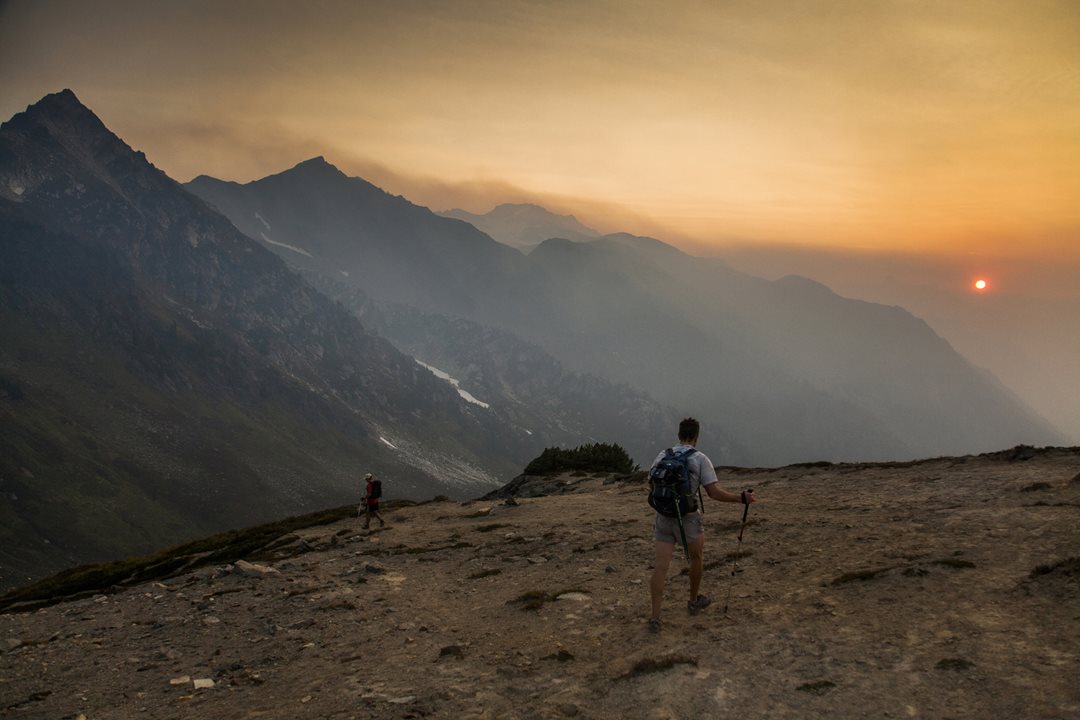 Wildfires are a reality across much of the Pacific Northwest—not just in remote forests, but in neighborhoods, along roadways, and near everyday places we live and travel. The good news: many of the most effective steps you can take to reduce your risk are simple, practical, and within your control.
This year, our wildfire guidance is organized around three clear actions: Plan, Prepare, and Prevent. Each plays a different role in keeping you, your family, and your home safer—before wildfire season begins and when conditions change quickly.
1. PLAN: Know your risk and what to do
Planning ahead reduces confusion and delays when wildfire conditions escalate. According to the Insurance Institute for Business & Home Safety (IBHS), early planning—before smoke or flames are nearby—helps people make clearer decisions under pressure and evacuate more safely.
Key planning steps:
Know your wildfire risk
Understand whether your home or area is near vegetation, forests, or open land that can carry fire. Many state and local agencies publish wildfire risk maps and seasonal outlooks. Start with IBHS and regional fire authority resources.
Learn your local evacuation levels
Communities often use evacuation levels (such as “Ready,” “Set,” “Go”) to signal escalating risk. Know what these levels mean where you live.
Choose at least two evacuation routes
Wildfires can block roads quickly. Identify multiple ways out of your neighborhood and practice them when possible.
Make a household communication plan
Decide how you’ll check in if you’re separated. Designate an out‑of‑area contact who can help relay information.
Include pets and people who need extra time
Planning should account for pets, mobility challenges, and anyone who may need assistance evacuating early.
Sign up for local alerts
Emergency notifications can provide evacuation notices, air‑quality updates, and changing conditions.
For a deeper dive, here's ready.gov's guidance on alerts and emergency plans.
2. PREPARE: Get your home and household ready
Preparation focuses on the steps you take before wildfire season to reduce your risk. IBHS research shows that most homes don’t ignite from direct flames—but from wind‑blown embers that enter small openings or land on combustible materials near the house.
Preparation steps that matter most:
Assemble a go‑bag early
Include essentials like medications, IDs, chargers, copies of important documents, and basic supplies for a few days.
Remove debris where embers collect
Clear leaves, pine needles, and debris from:
- Roofs and gutters
- Decks and under‑deck areas
- Near foundations and fences
Trim vegetation close to structures
Keep branches and plants away from roofs, siding, and vents. This reduces ember ignition points.
Harden openings where embers can enter
Consider covering vents and openings with ember‑resistant screening and sealing gaps where possible.
IBHS has helpful and practical home‑hardening guidance, found here.
Move combustible items during high‑risk periods
When conditions are hot, dry, or windy, relocate items like patio furniture, doormats, and firewood away from your home.
3. PREVENT: Reduce the chance a wildfire starts—or spreads
Prevention focuses on everyday behaviors and home features that reduce ignition risk in the first place. National fire agencies estimate that most wildfires are human‑caused, often unintentionally.
Everyday prevention actions:
Practice campfire and outdoor fire safety
- Use designated fire pits when available
- Never use gasoline or accelerants
- Drown fires completely—embers included—before leaving
- Be cautious with equipment and vehicles
- Avoid parking over dry grass
- Maintain chains and mufflers on equipment
- Postpone yard work that creates sparks during high‑risk conditions
Dispose of smoking materials safely
Cigarette butts should never be tossed outdoors, especially during dry months.
Create defensible space
A buffer of reduced fuel around your home can slow fire spread and improve firefighter access.
For more information on creating a defensible space, check out this guidance from ready.gov.
Stay informed about conditions
Smoke, wind, and dryness can change quickly. Pay attention to local fire restrictions and advisories throughout the season.
Prepared doesn’t mean alarmed—it means ready
Wildfire preparedness isn’t about expecting the worst. It’s about making realistic, practical choices ahead of time so you’re not forced to make them under stress.
Planning early, preparing your home, and preventing avoidable risks all work together—and they’re most effective when done before wildfire season peaks.
For more Pacific Northwest–specific guidance, updates, and prevention tips, visit our wildfire resource page.
Share on social media